
So What Is Egg Donation Exactly?
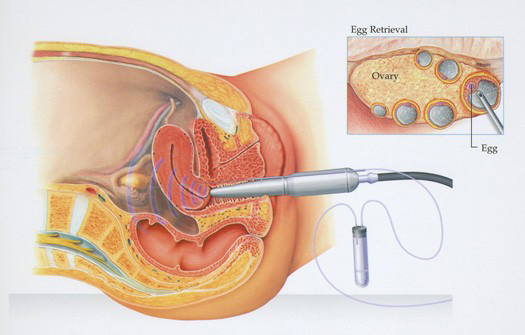 A lot of women cannot be in a position to give birth due to poor egg quality caused by several health complications, genetic or age factors. Most of them want not only to experience pregnancy but to conceive, egg donation is the available alternative. A woman’s egg quality falls when her age is over 39. Other reasons for seeking egg donation include women with no ovaries but have a good uterus, those with genetic disorders that they don’t want their children to inherit and those whose eggs are of poor quality but need a kid through a male’s sperm. The first egg donated pregnancy occurred in 1984. Currently it is estimated that over 10,000 babies are born worldwide annually from donated eggs.
In this process eggs also referred to as oocytes are surgically taken from a healthy woman particularly between the age of 20 to 30 years, when they are at their reproductive prime and mature enough to make well-versed consent. After the egg donor and recipient have been matched and the necessary preliminary and legal criteria are finished the woman starts several medical checkups prior to egg harvesting. First the egg donor undergoes medical and psychological screening it involves a comprehensive workup and history. Both the donor and recipients menstrual phases are matched, which involves several procedures with the donor taught how to control their medications through pills and injections. The doctors then repress the donor’s ovulation. It is done through injections that curb the secretion of hormones by the pituitary glands. This process takes about 4 weeks accompanied by birth control pills. The donor is then subjected to regular blood tests and vaginal ultrasound checkups. The cycle is brought to an end and the woman stops taking birth control pills and the menstrual cycle is orchestrated with that of the recipient.
The Egg Donor – Cycle Alignment
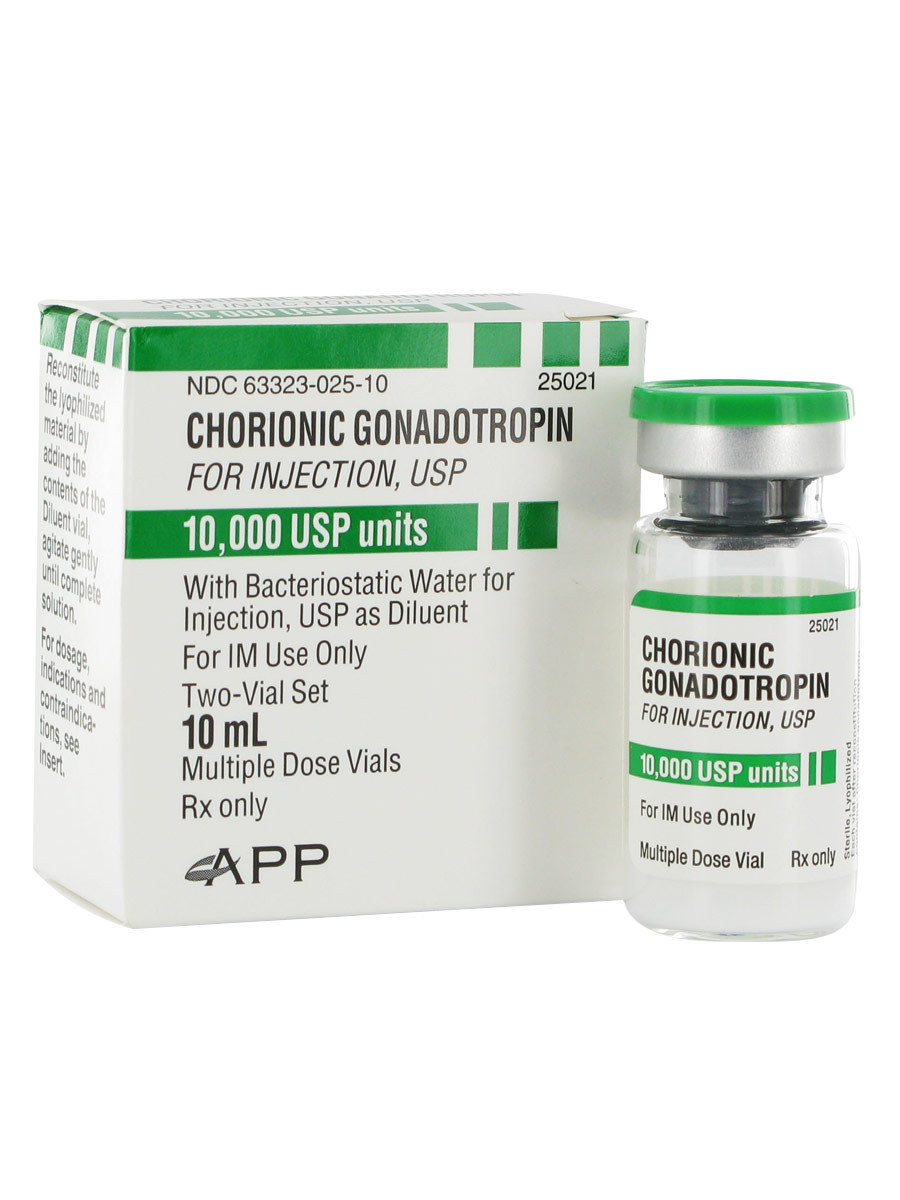 Then the woman donating the eggs receives a hormone injection to stimulate a super ovulation that is so that they can produce at least five eggs as opposed to the one that they normally release every month. The donor is still expected to undergo regular blood test and vaginal ultrasounds to check the egg follicle progress. Once the follicle develop fully the donor is injected with human chorionic gonadotropin (hCG) which help her oocytes to separate from the follicle linings for harvesting. The recipient woman is expected to undergo injections of progesterone to help her body prepare for the embryo transfer. For the eggs harvesting to be successful the timing of the hCG injection is important. According to experts eggs should be harvested between 34 to 36 hours after the injection.
The eggs are removed from the ovaries and fertilized with the woman’s partner’s sperms in a vitro. Once the eggs are fertilized then they are inserted in the uterus of the woman who is receiving. If the process is successful an embryo attaches to the uterine walls and soon grows into a healthy baby. Normally all the retrieved eggs are inseminated and in case of any remaining embryos they belong to the person receiving the donation and can be saved for future pregnancy endeavors through cryopreservation.
The egg donation process has several risks involved, the medical process to harmonize the donors and recipient’s menstrual cycles can cause breast tenderness, mood swings and hot flashes. It can also cause swelling and fluid retention in the ovaries which eventually lead to stomach pain or blood clots. Careful monitoring is therefore crucial to avoid these side effects.
There are several commercial eggs donor agencies that engage, screen and synchronize recipients with healthy donors. Numerous infertility health care facilities also give donated eggs from people who have produces more eggs. The success rate of this process depends on several factors such as the harvesting process, age of the donor, the donor and recipient’s overall health and quality of the semen. One main risk of this process is the high chance of giving birth to twins or even more because more than one embryo is inserted.
In the last few years guidelines and regulations have been drafted that concerns the donor’s tissues, cells, processes and compensation. Health facilities are therefore required to test the donors for any infectious diseases and keep a detailed record. Donors are compensated on average $ 10,000 which according to the American Society for reproductive Medicine’s is unreasonable and risked intimidation.
Find Fertility Clinics For Egg Donation By Major US City
|
|
|
|
|
